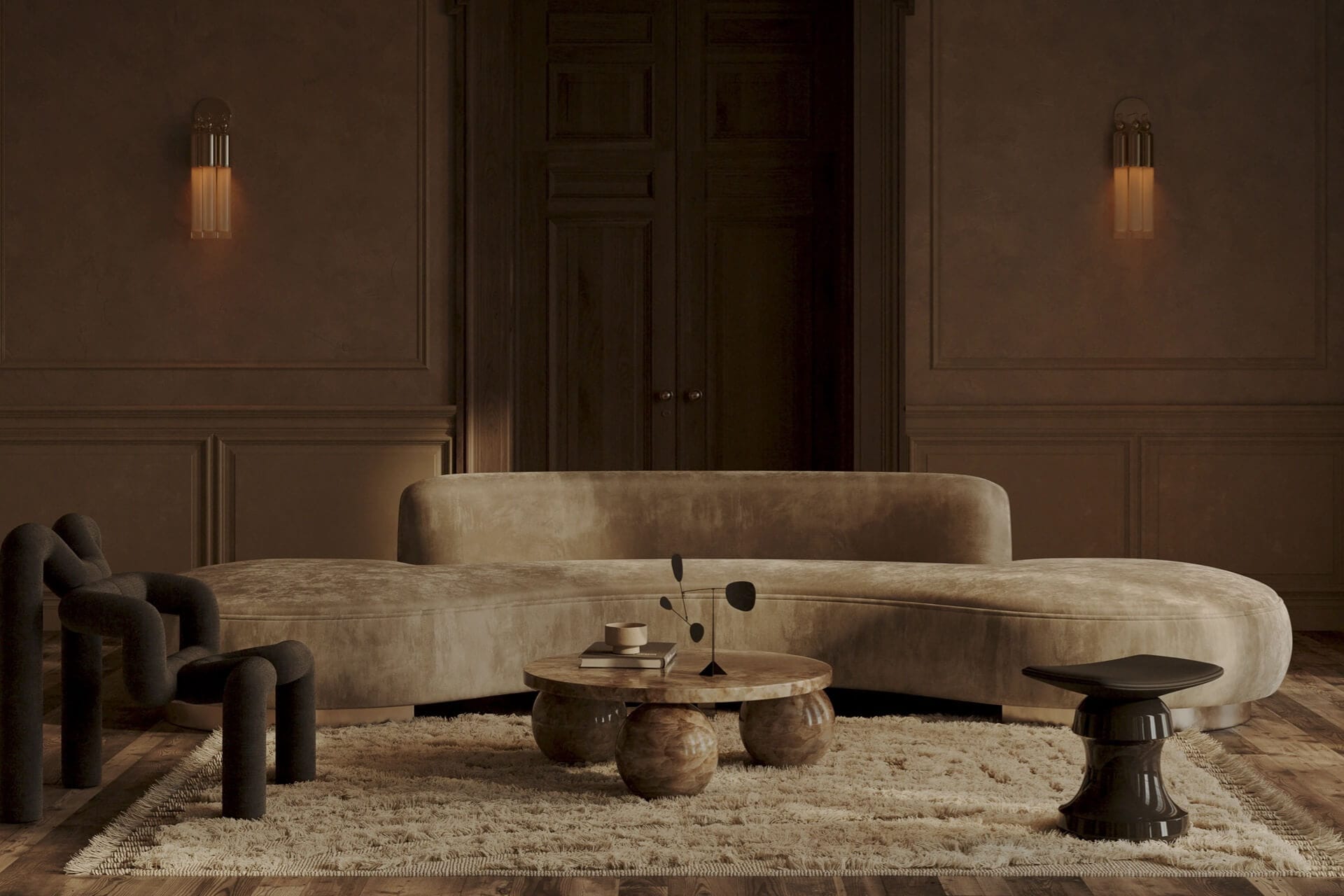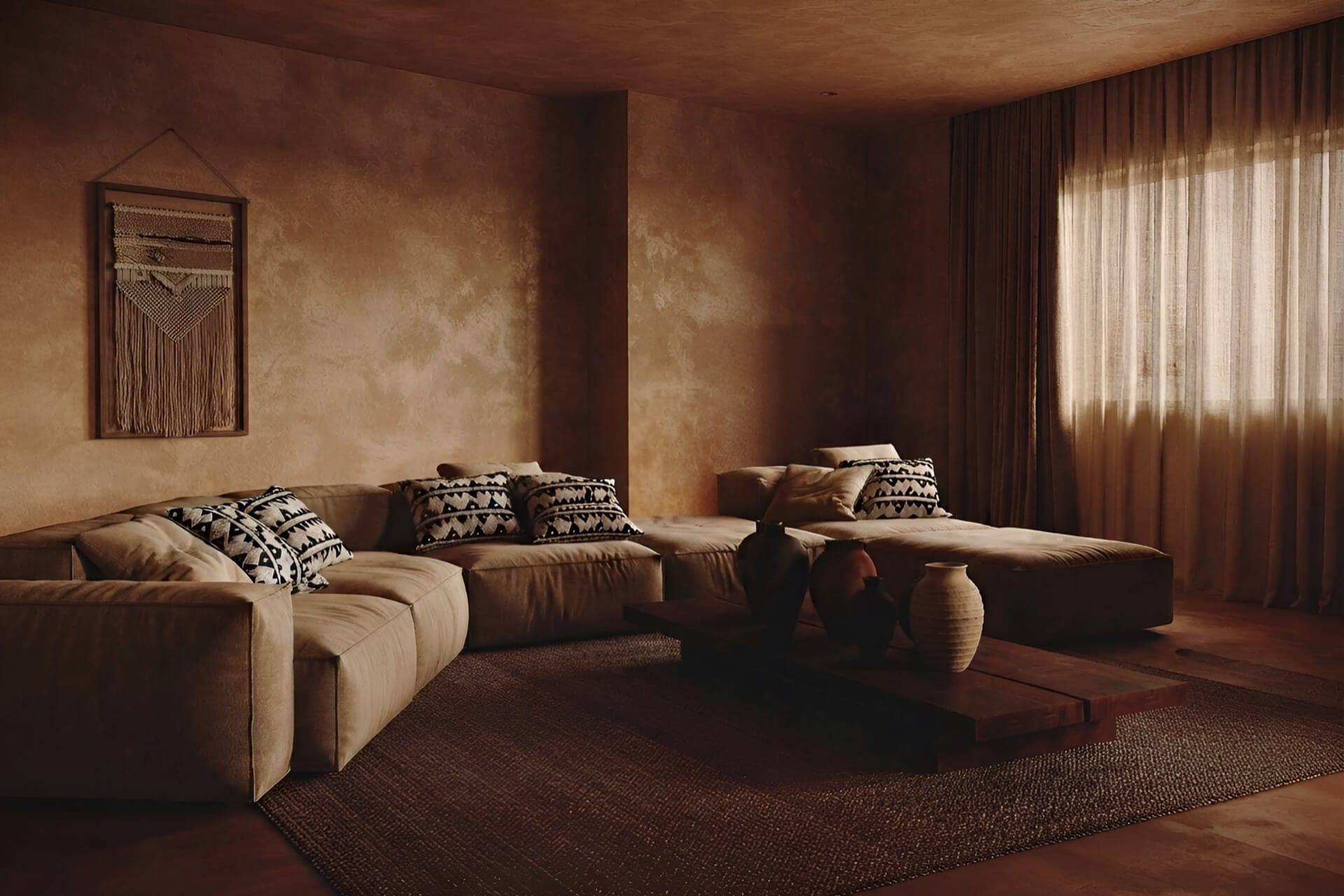

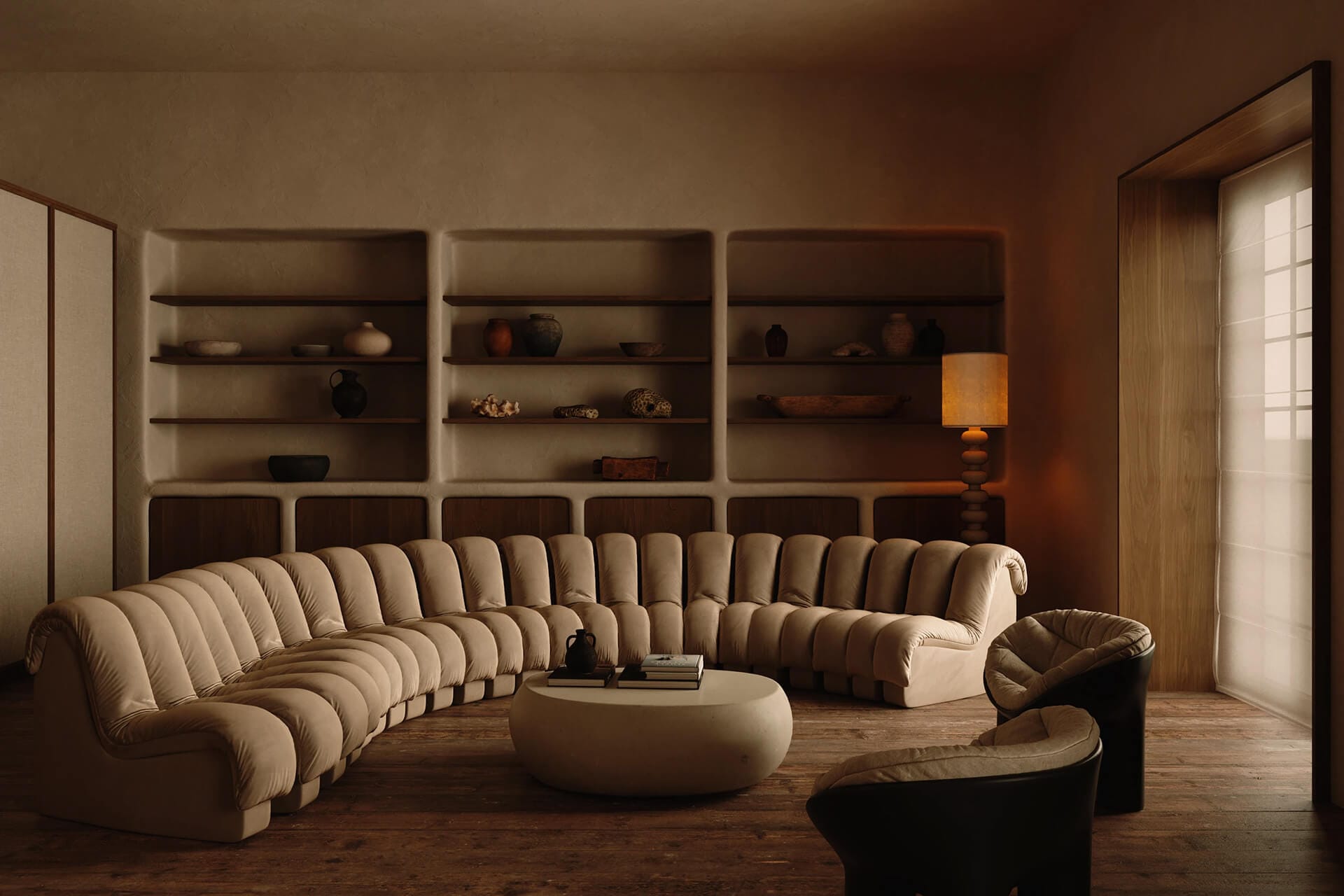
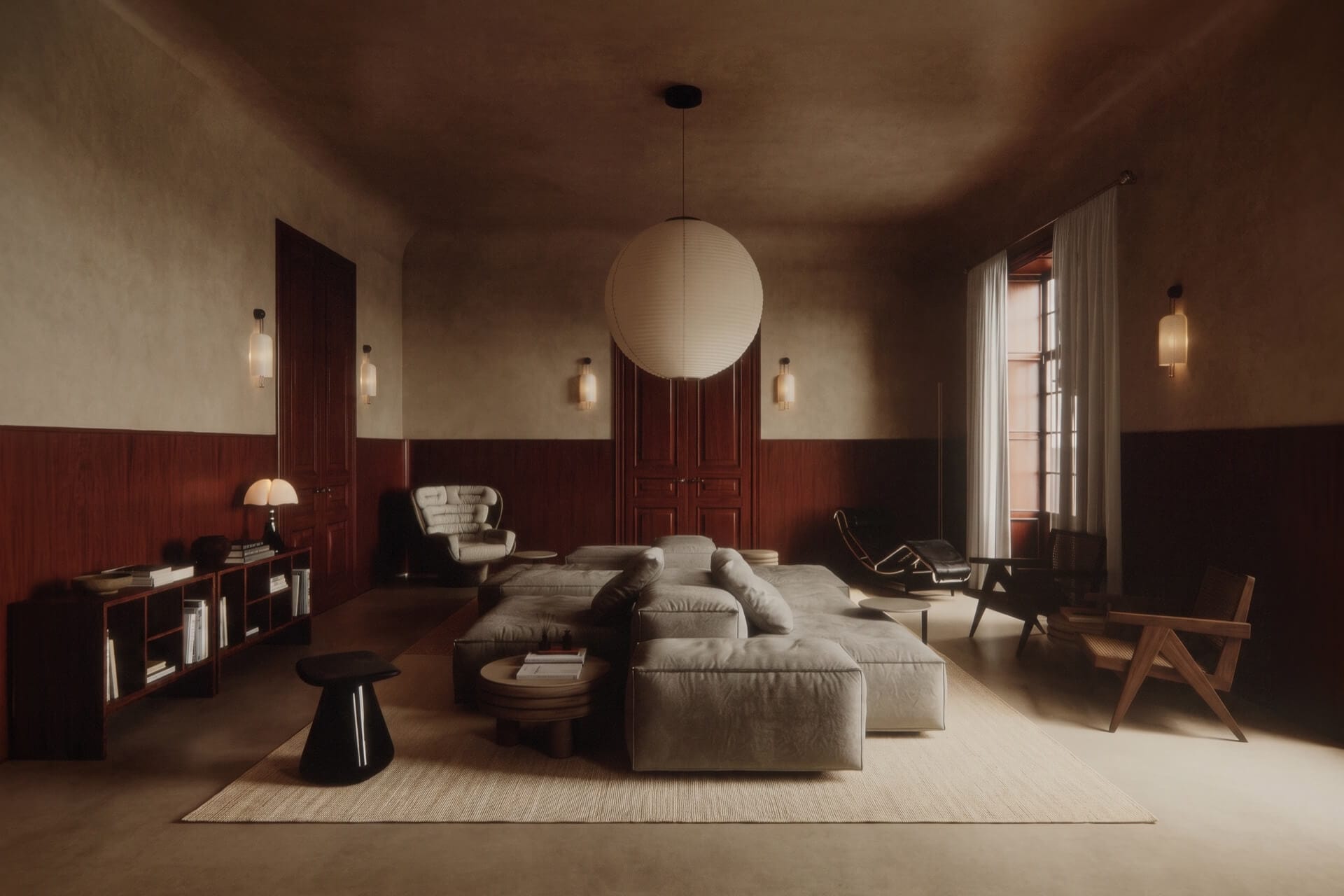
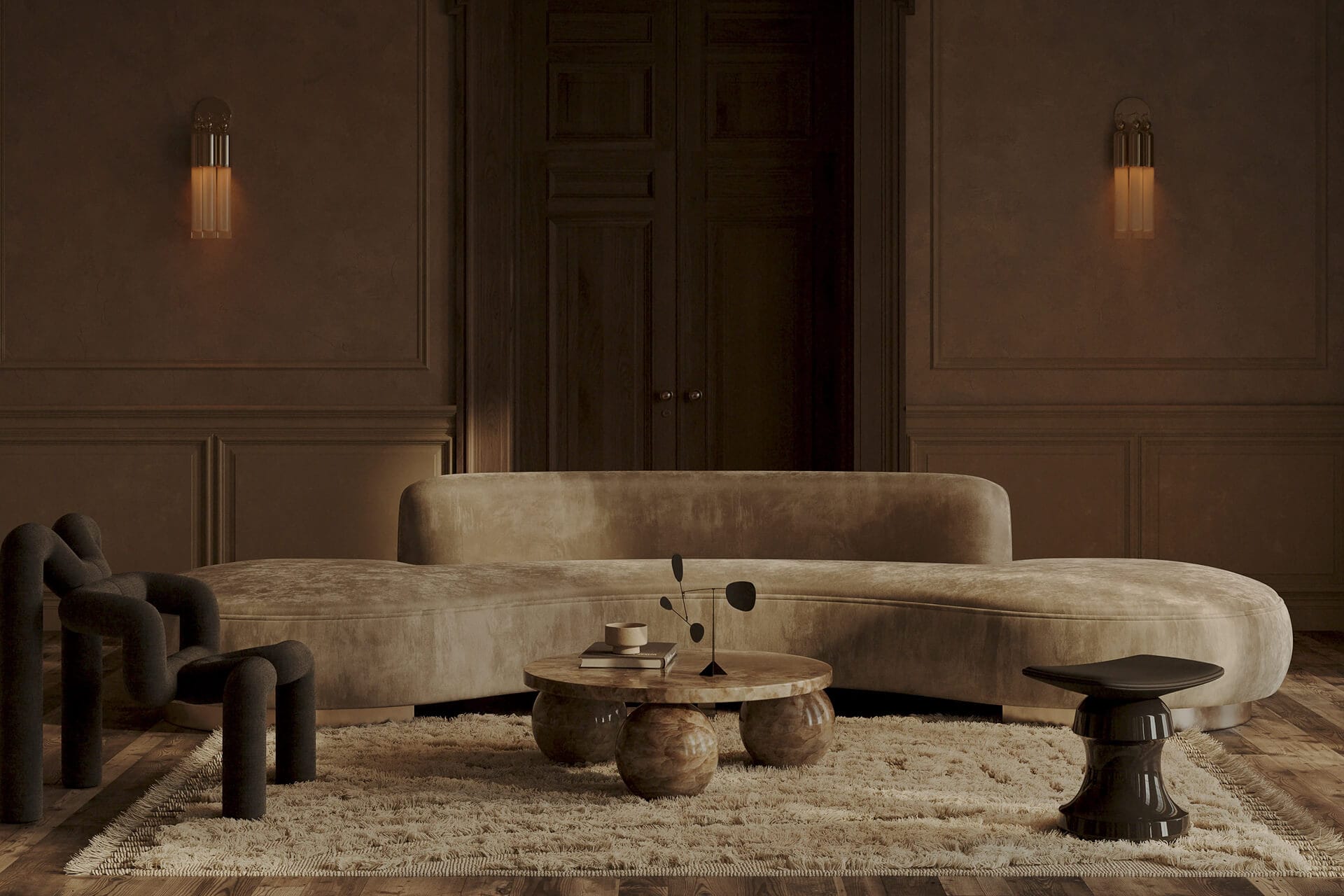
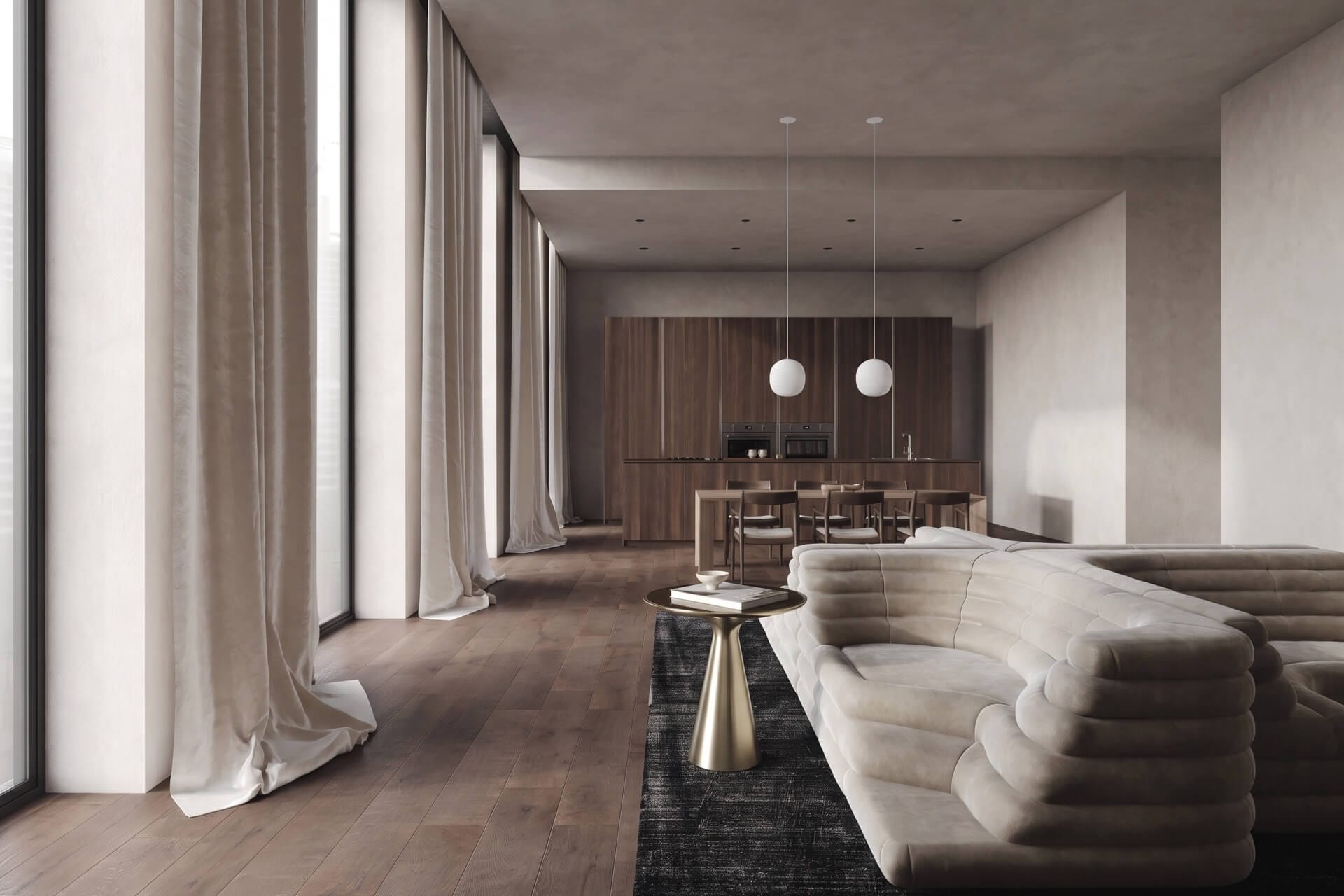
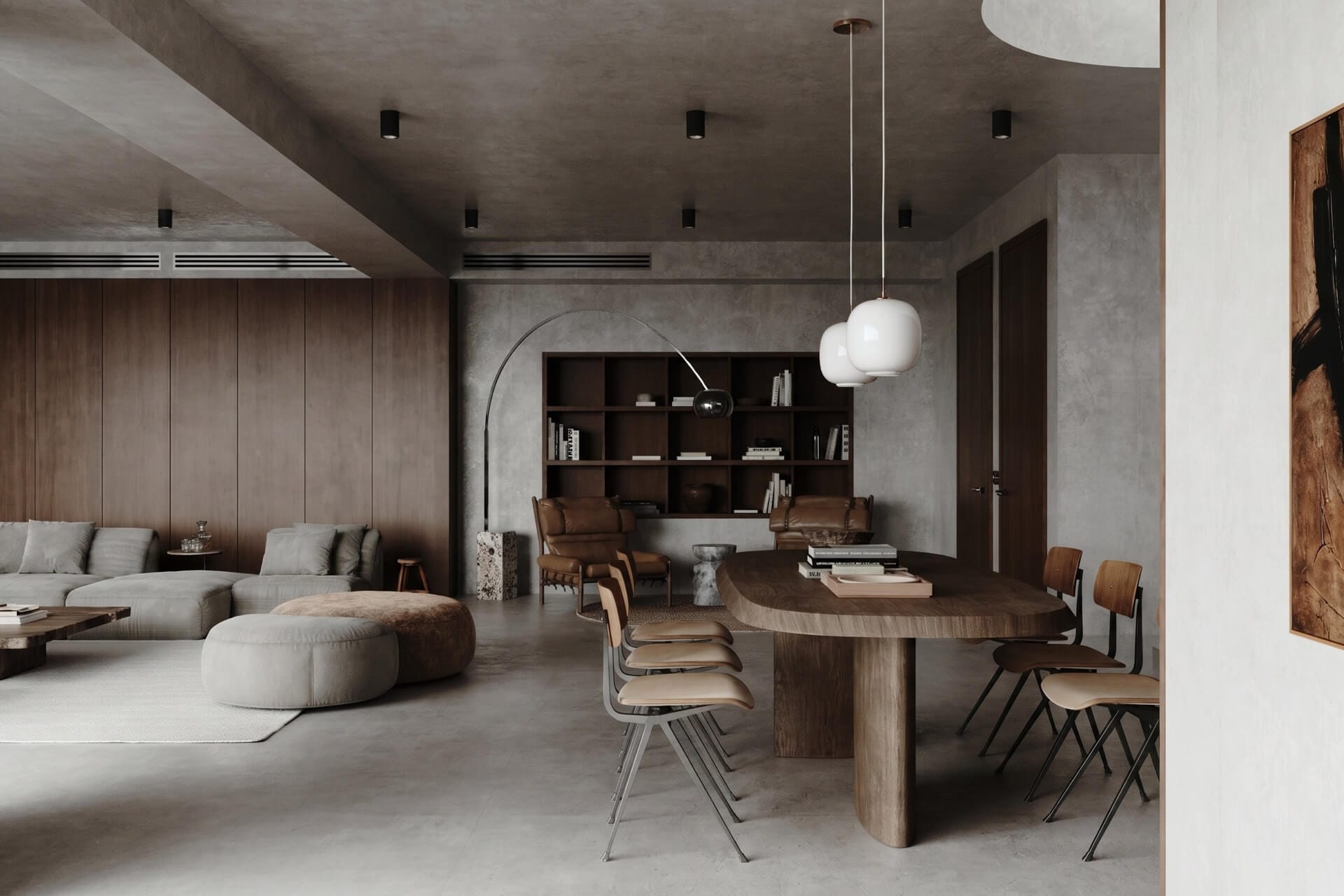
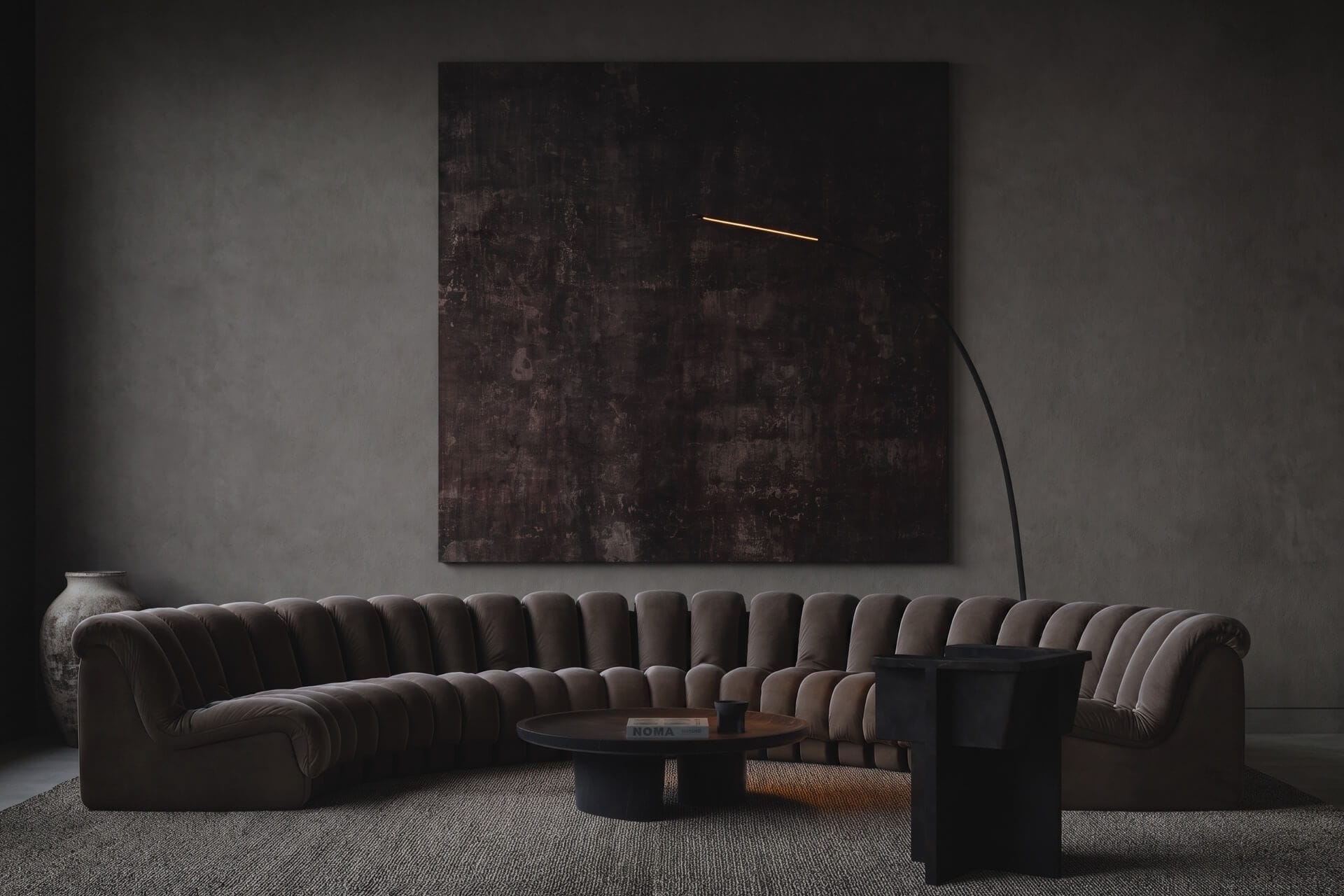
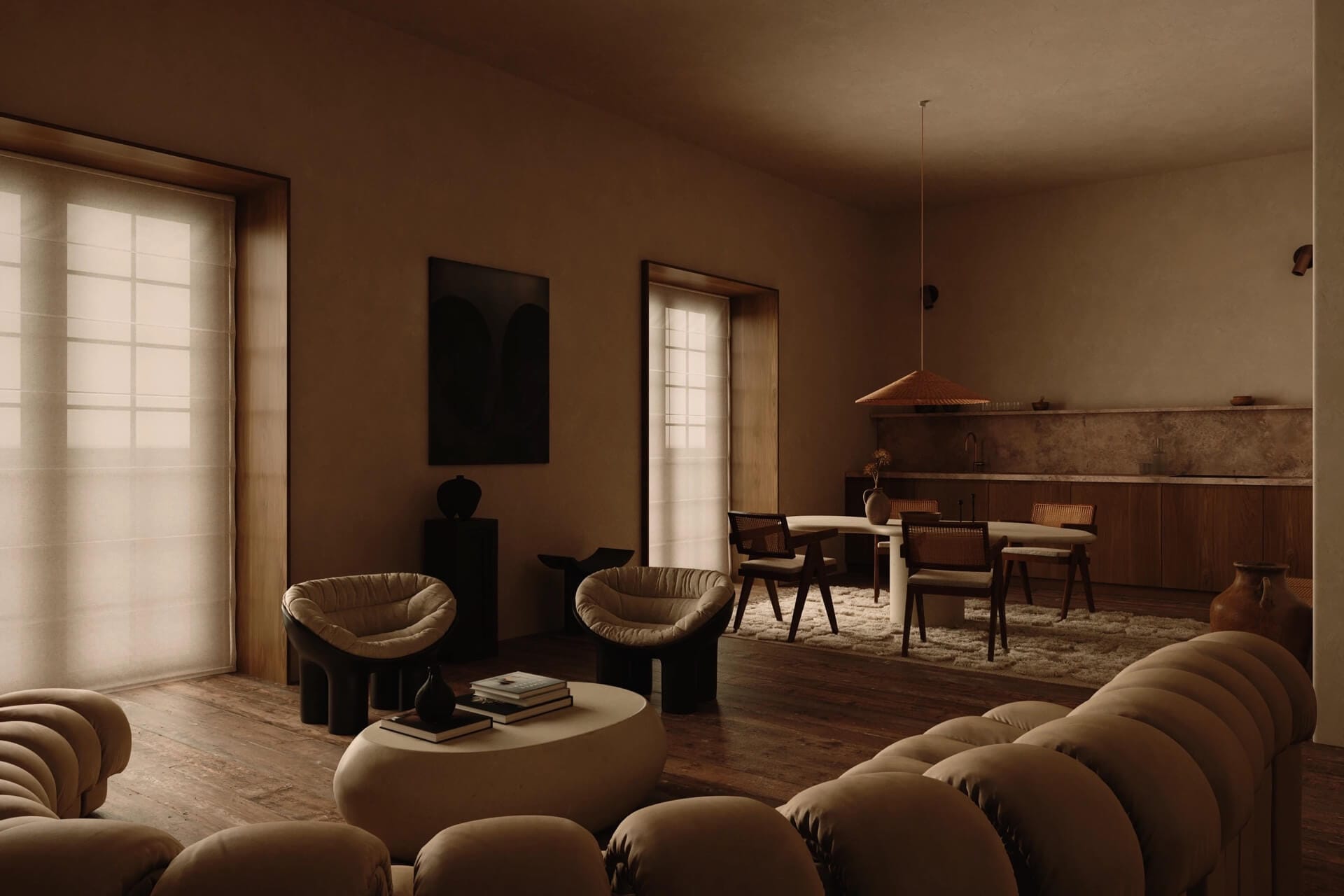
The complaint about minimal interiors is always the same: they feel like galleries, they feel unlived-in, they feel cold. And often they are. But the coldness is not caused by the emptiness — it is caused by the surfaces chosen to be empty with.
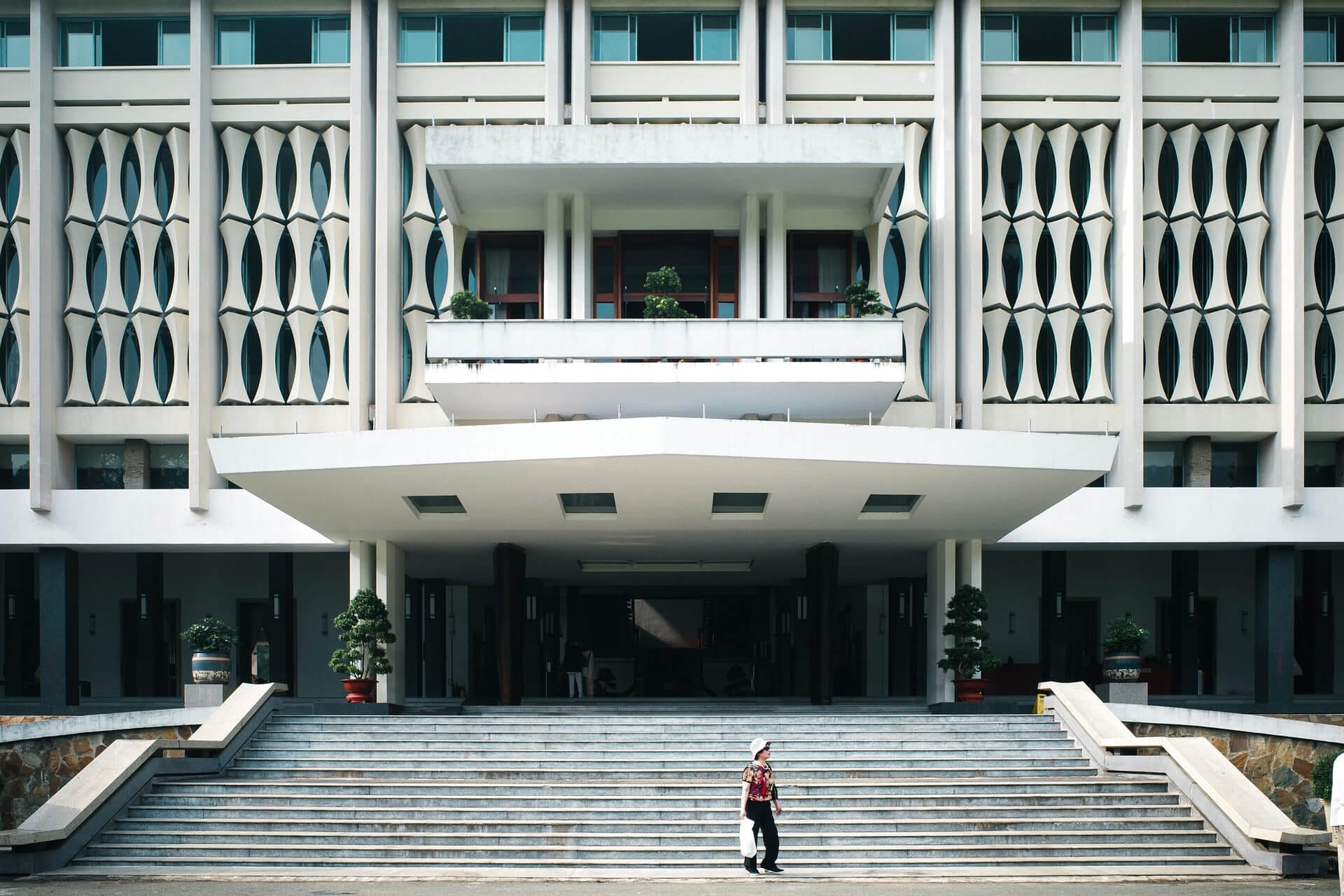
White paint, polished concrete, glass and steel are all materials that reflect light without changing it. Put four of them in one room and the light bounces around unaltered, arriving at the eye exactly as cold as it left the window. The room is not cold because there is nothing in it. It is cold because nothing in it is doing anything to the light.
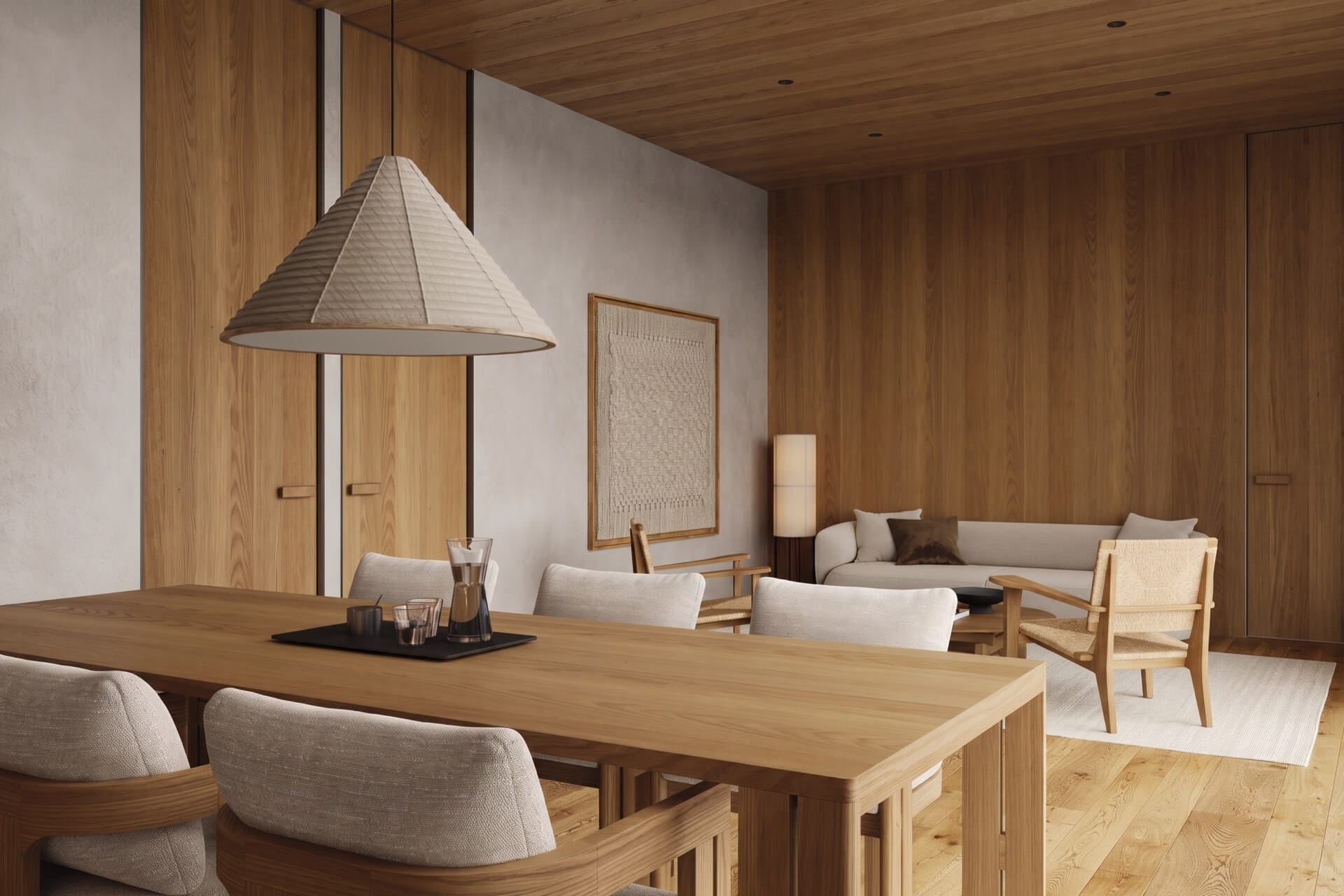
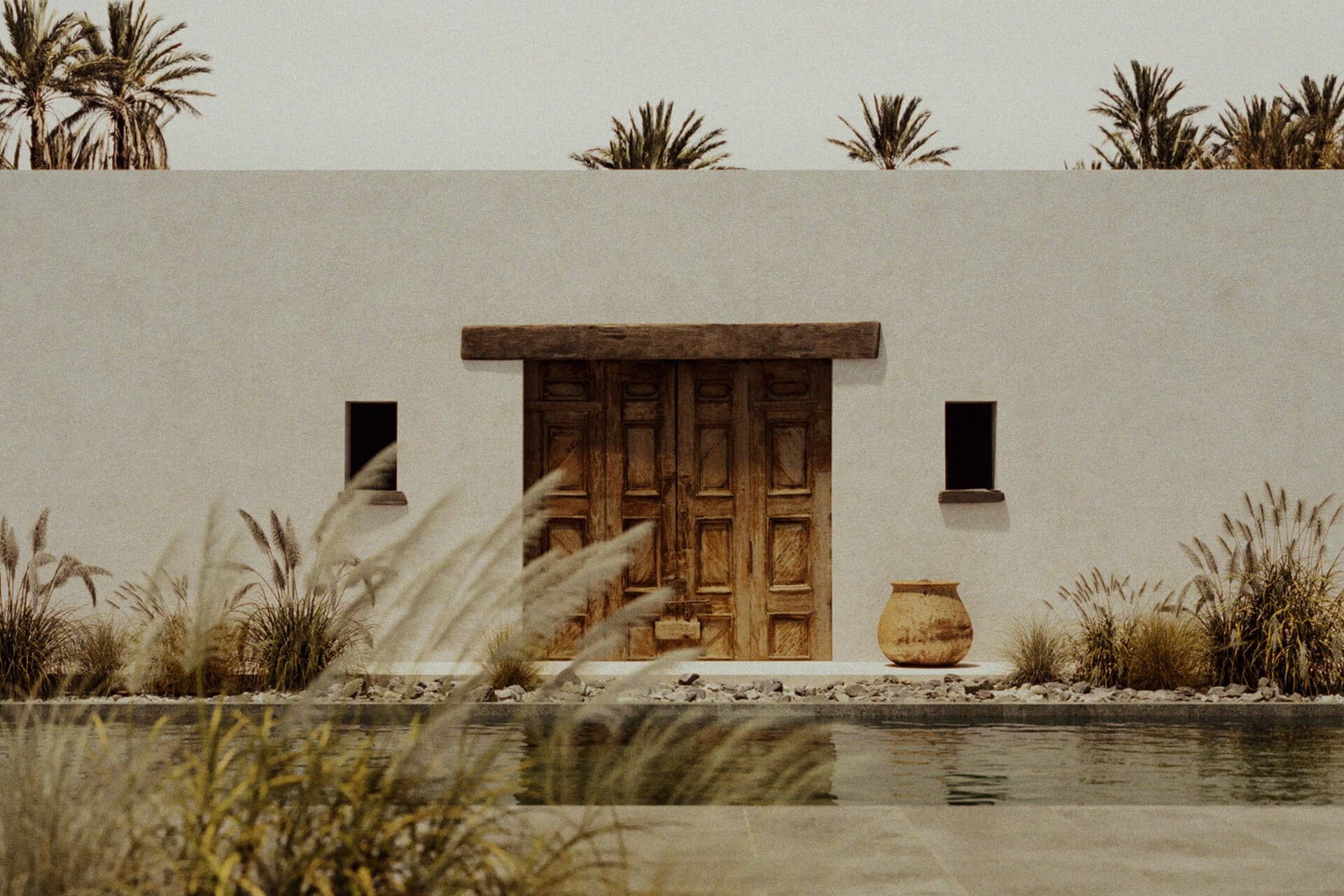
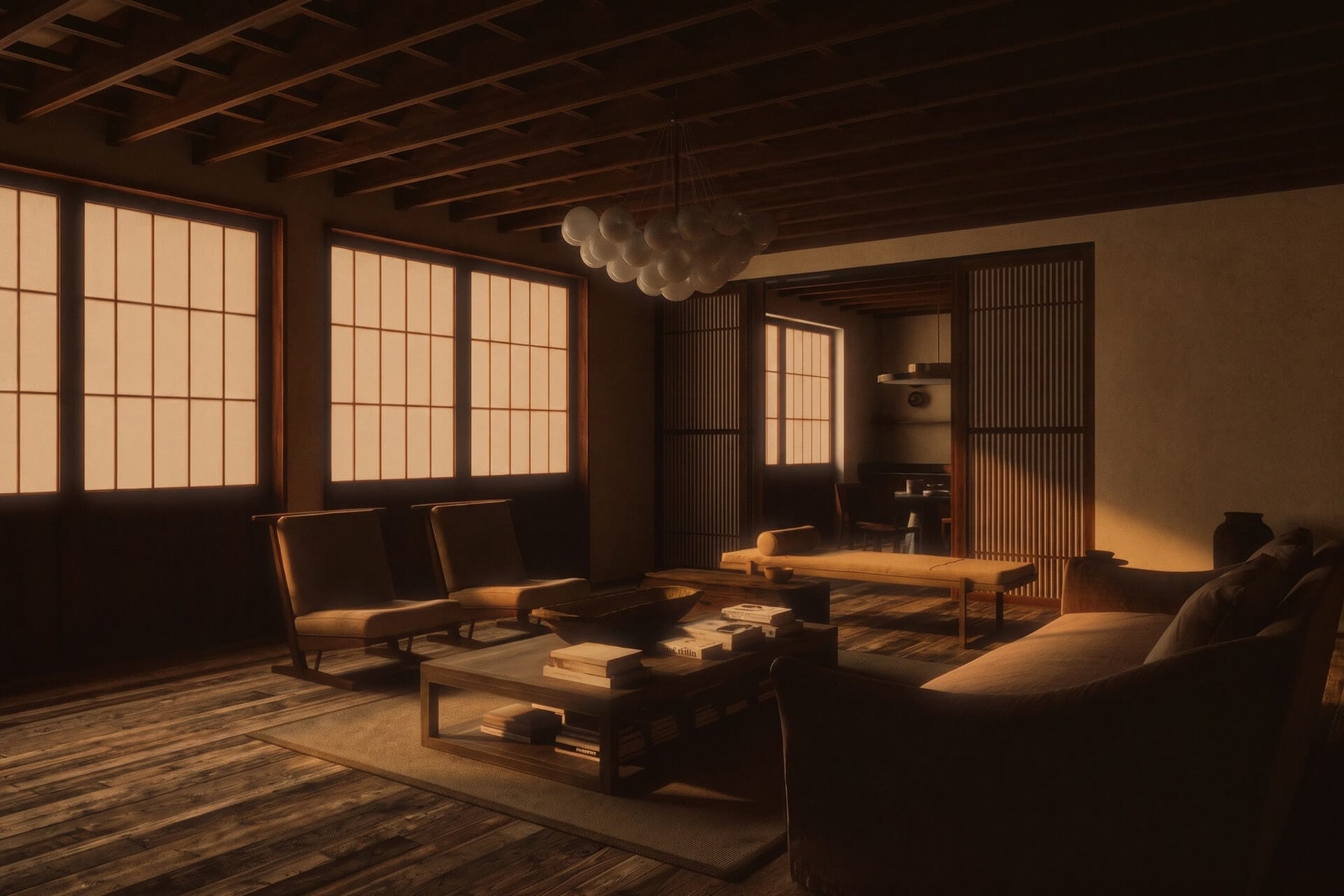
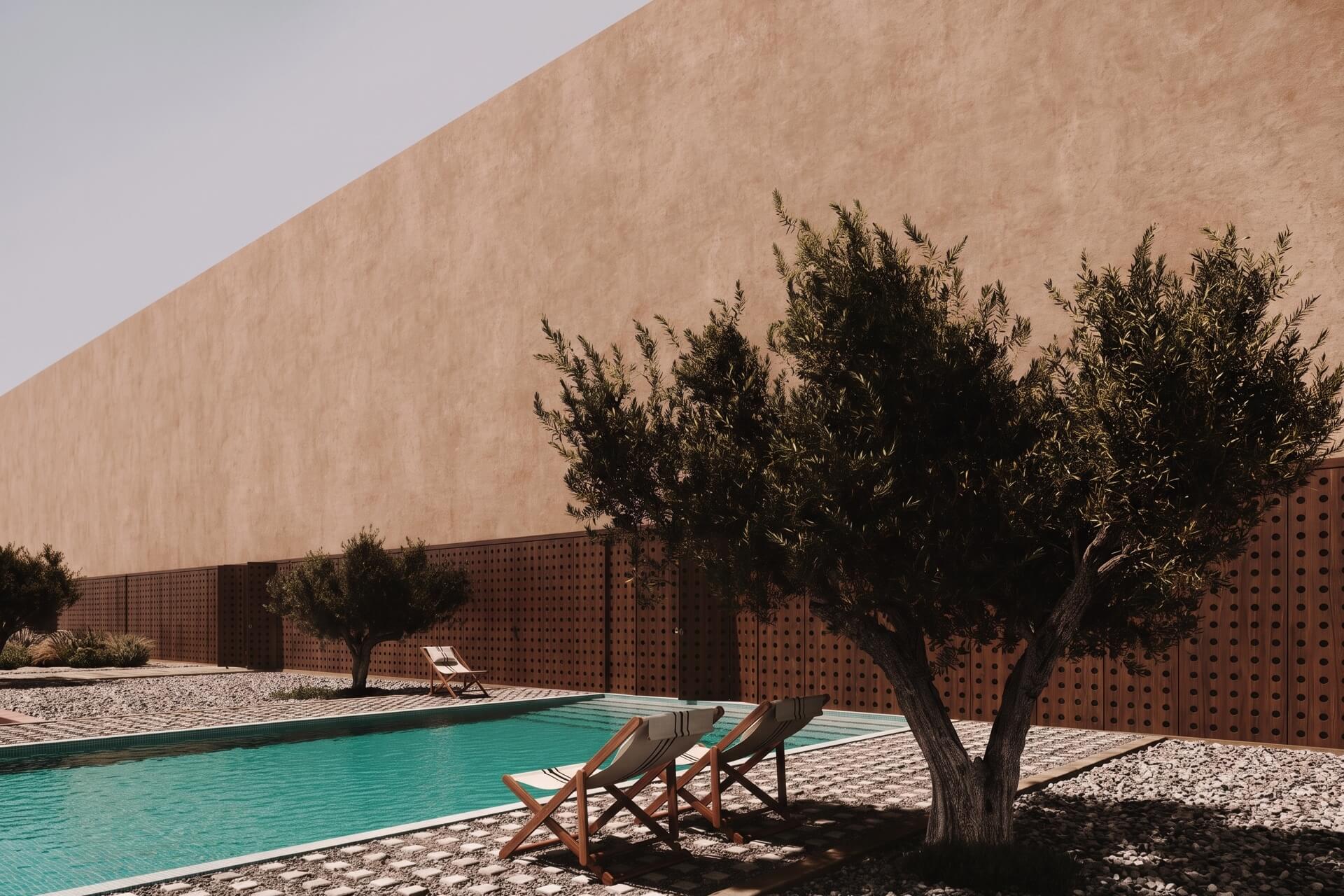
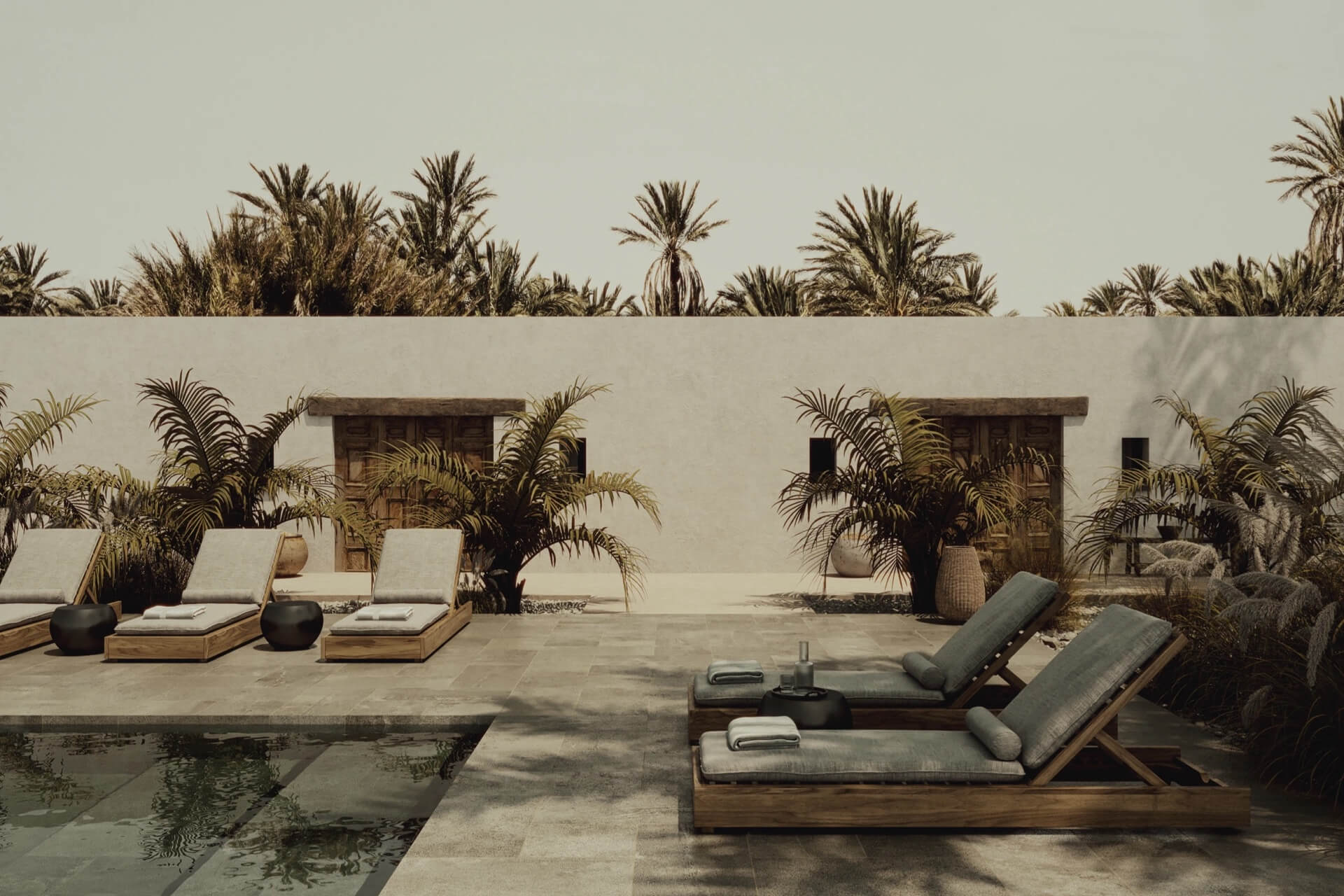
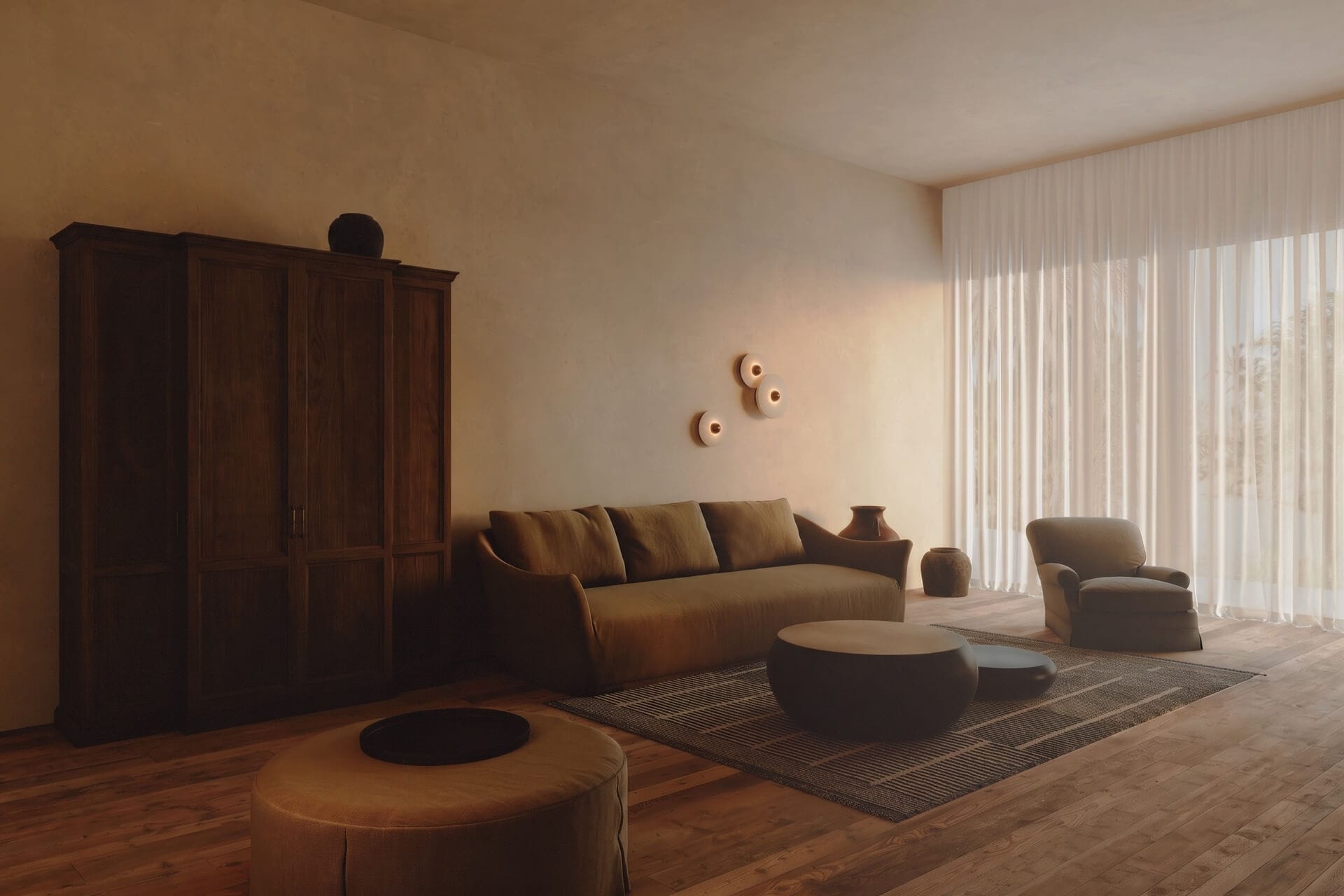
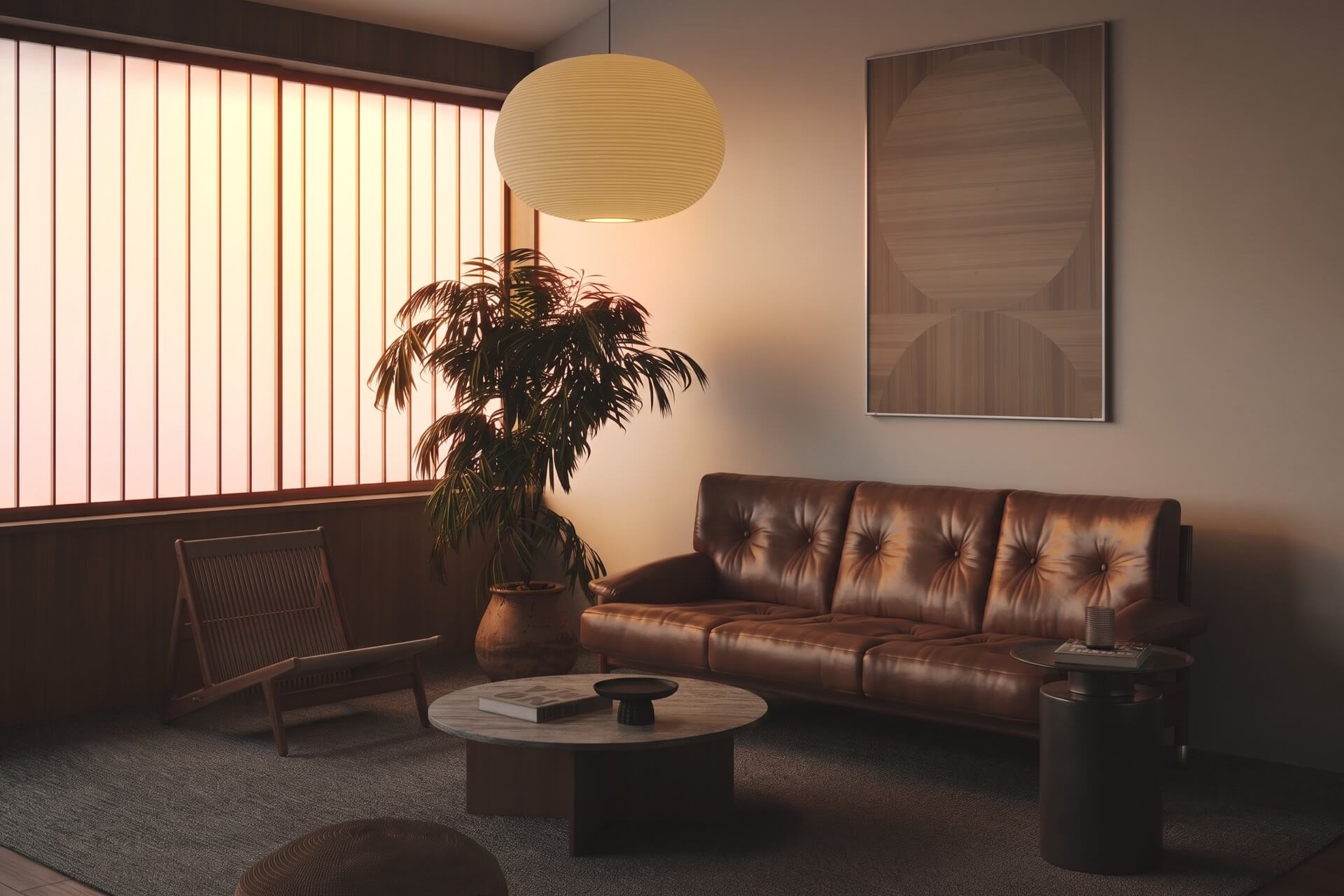
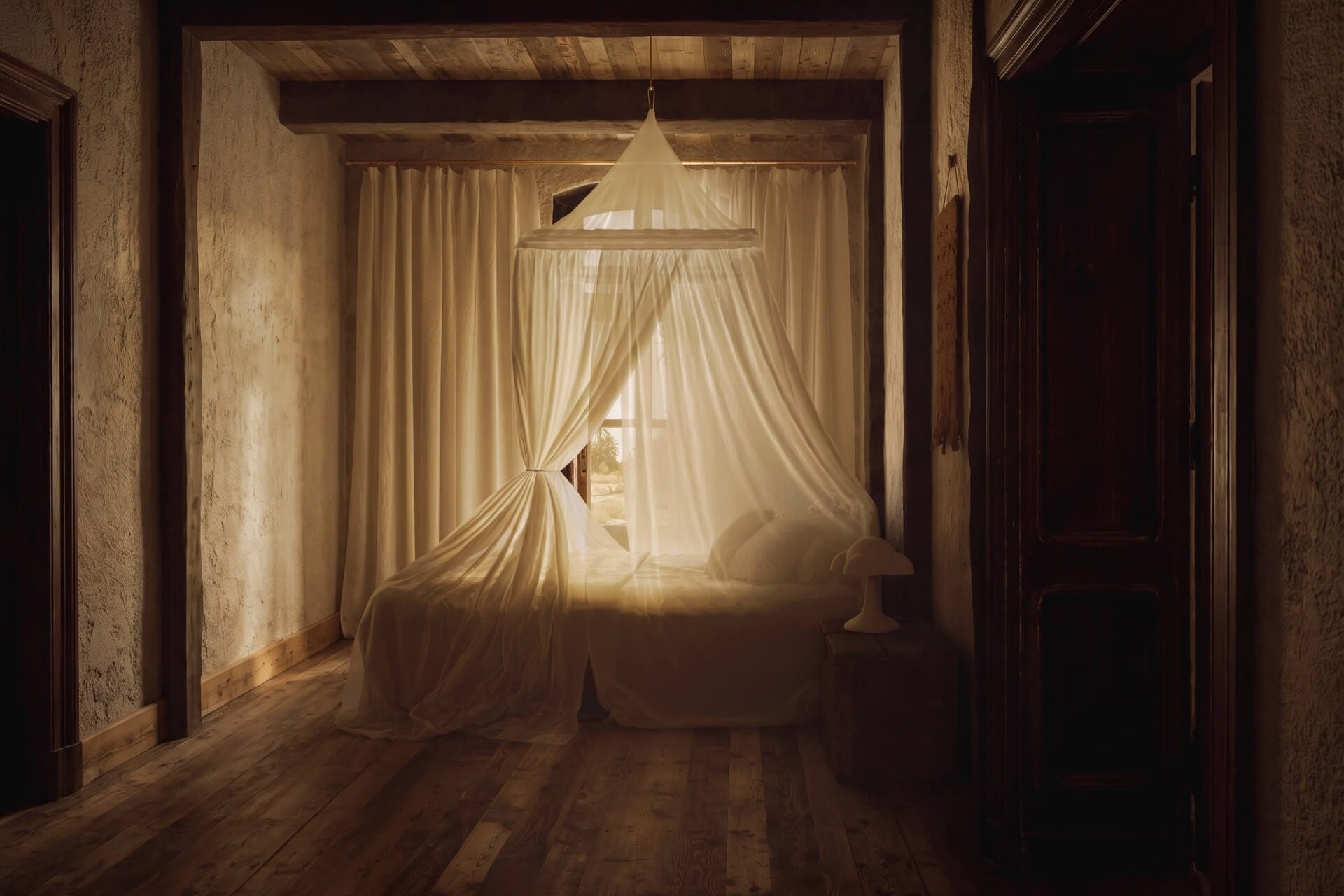
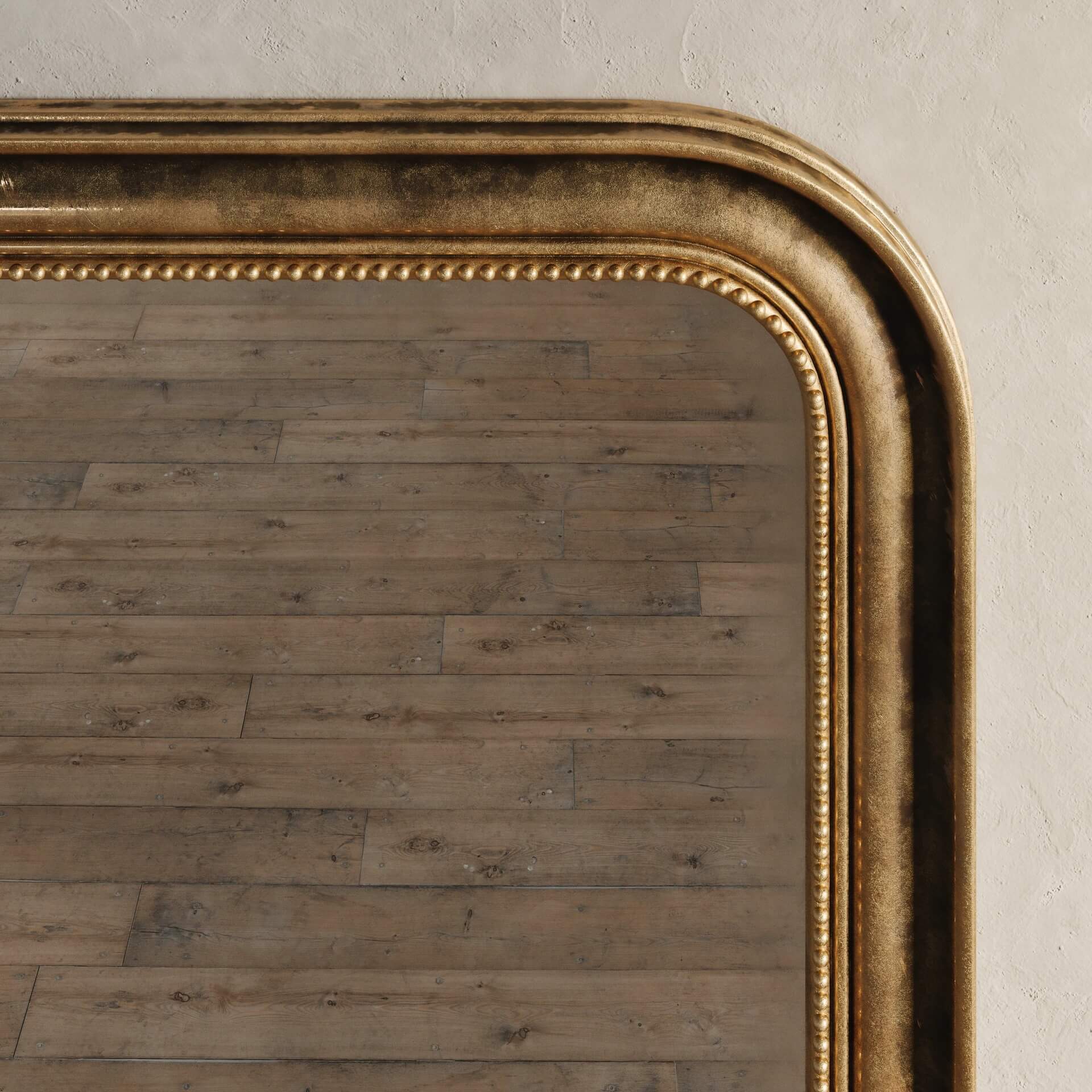
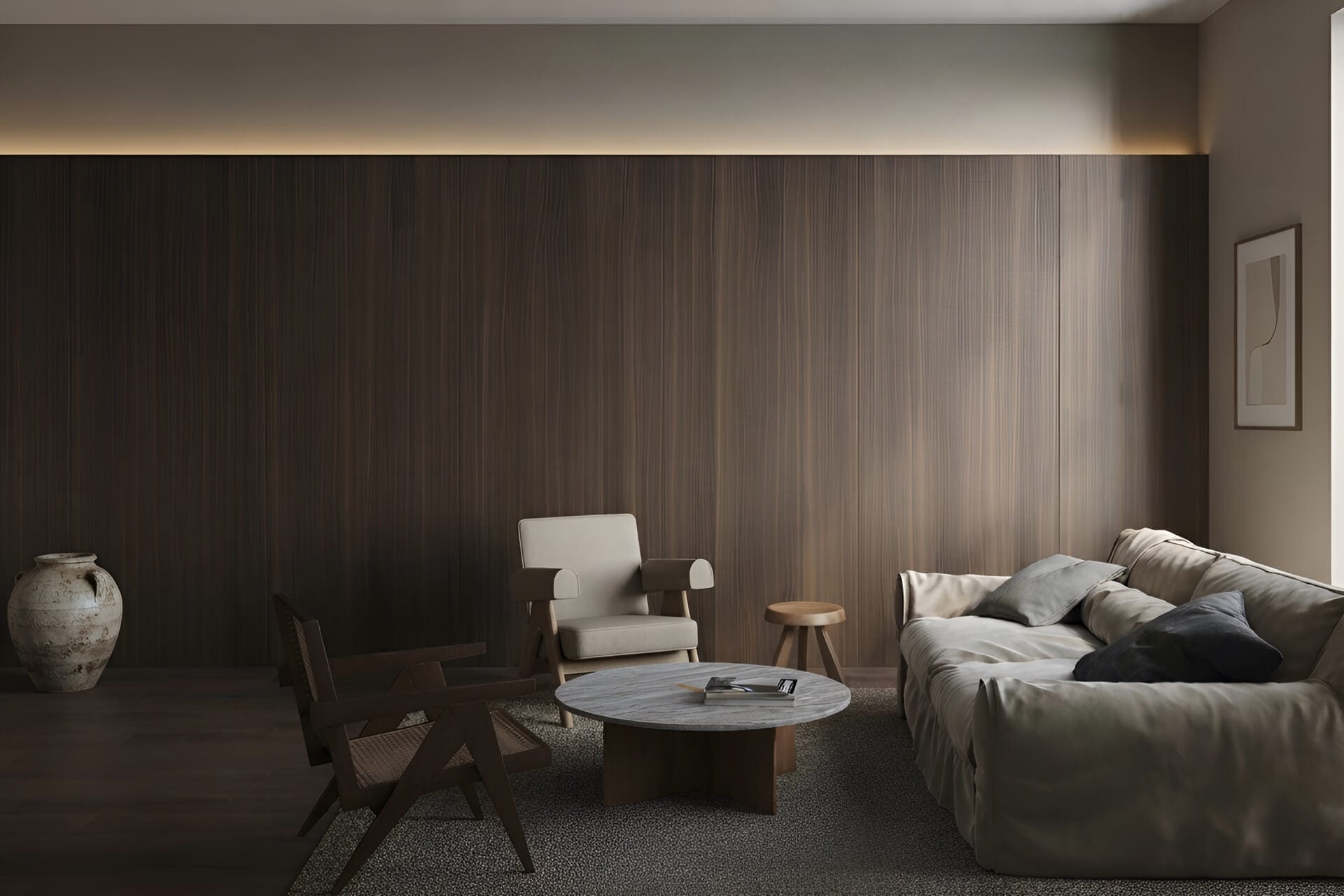
Swap the palette — lime plaster, oiled oak, rush, wool — and keep the same emptiness, the same restraint, the same absence of clutter. The light now hits surfaces that absorb some wavelengths and scatter others. It arrives warm. Nothing has been added.
This is why a bare Japanese room does not read as austere and a bare loft often does. Same emptiness. Entirely different material argument about what emptiness is for.